FDG • July 17, 2019

Defencell & Coastal Erosion Control – The long term ‘temporary solution’ in Southern California

Receding coastlines are a problem throughout the world and a big one in Southern California where the question of how to prevent coastal erosion is a constant issue. Locals are quick to point out where the beach ‘used to be’ and are quick to attest to how quickly a single weather event will eat away at their coastal landscape never to return. This is growing problem resulting in the loss of thousands of acres of seafront property every year leaving property owners helpless to swallow the effects of property loss and resulting loss of property value.

When it comes to taking steps to protect your property from coastal erosion, there is a minefield of regulations which can become complicated, time consuming, and can leave property owners feeling frustrated and helpless. Additionally, these regulations are subject to change and typically vary from state to state.

prevent coastal erosion

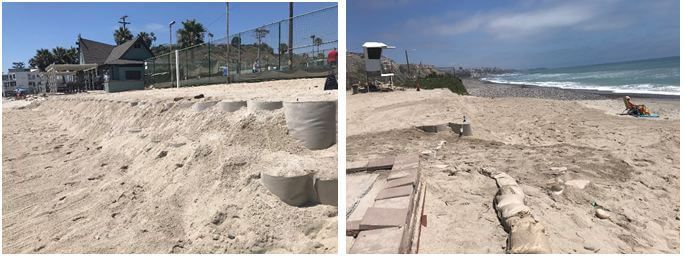
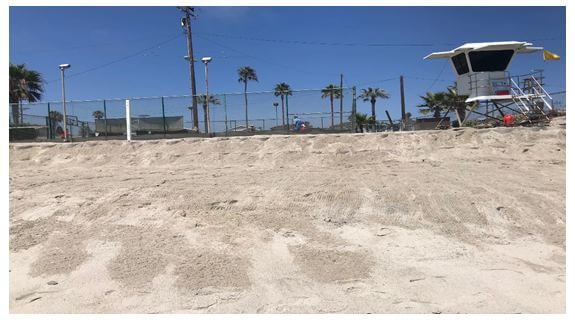
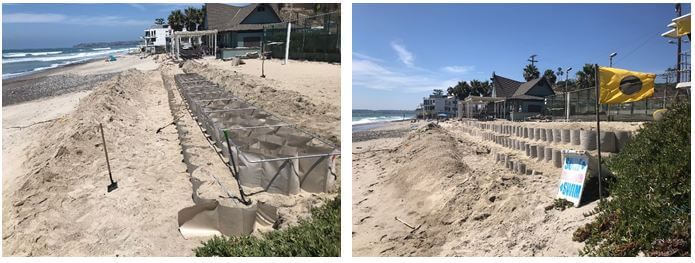
(Photos: Reinforced coastline to stop beach erosion using a stacked Defencell configuration)

4 – Backfill the Defencell units with sand or soil and landscape as desired.  In this case, these units will likely be planted with native vegitation

Defense wall Coastal

Shoreline protection and beach restoration

Flood Defense Group is delighted to have Defencell as a tool in their toolbox to mitigate against this problem.  Coastal erosion control or the reinforcement/creation of coastal berms or earthen berms is another form of flood defense we can help with.  Protecting or reinforcing these coastal berms not only mitigates against the effects of erosion, it also act as a first line of defense for surging stormwaters from the ocean or large bodies water which can be destructive and erosive in nature.

Why is Flood Defense Group so excited about Defencell for this situation?

In addition to being a wonderful product, it is a fantastic long-term solution when only temporary measures are allowed!

We are constantly working with customers who are dealing with coastal flooding and erosion problems who are unable take permanent measures to protect themselves from erosion and the loss of property.  This often leaves property owners with no options but go through the process of stacking sandbags which are labor intensive, inherently unstable, and have a limited lifespan and capability in stopping erosion and/or floodwaters.

If you are trying to stop beach erosion, looking for methods to combat beach erosion, or are looking at how to restore a beach, Defencell is a great solution which easily confirms to a variety of situations.

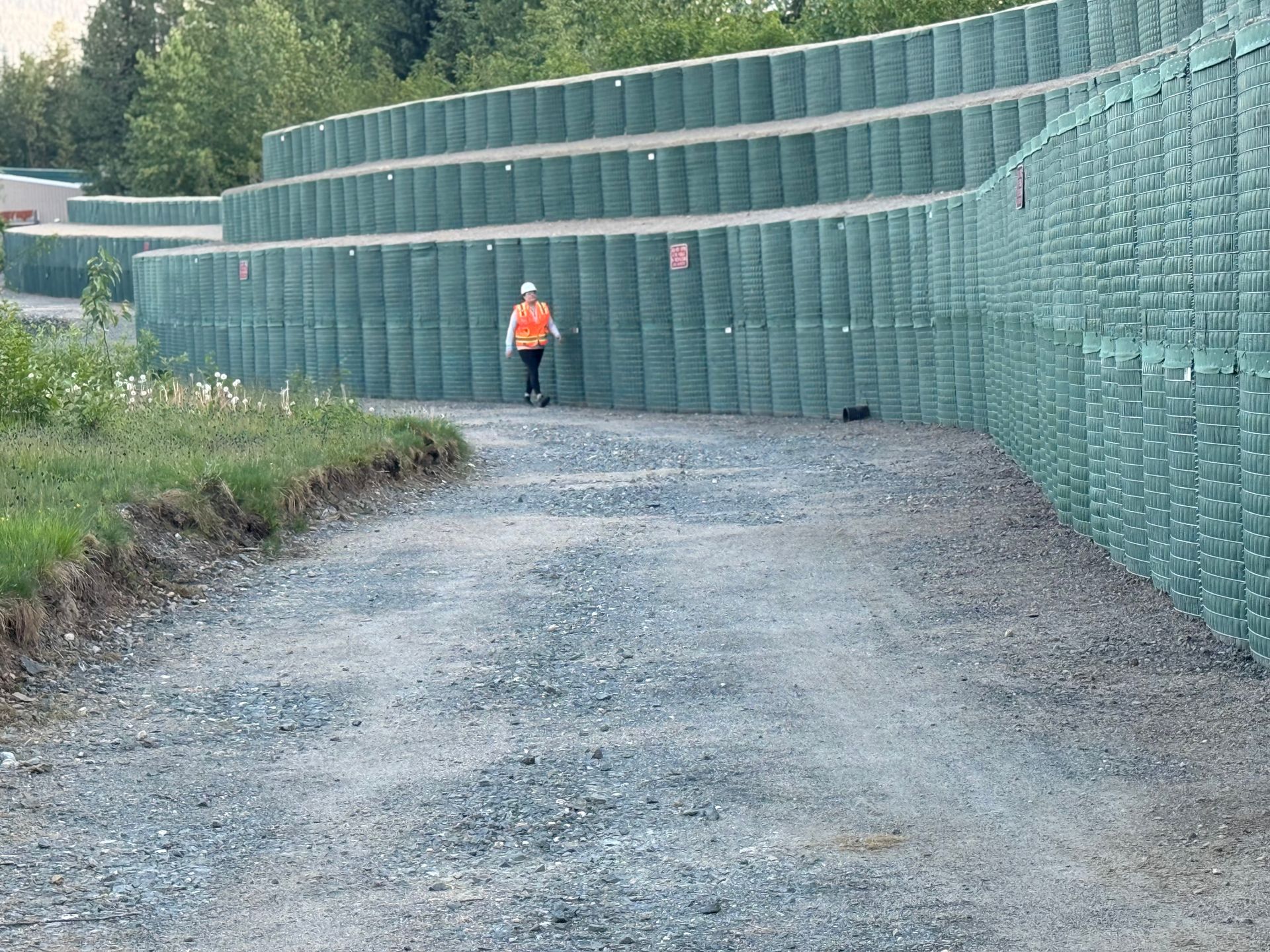
Defencell is a soil/sand containment system made exclusively out of geotextile and can therefore be classified as, ‘a sandbag’.  This product is one of the single best alternatives to sandbags on the market and is quickly constructed, easily modified, and has a long-life span compared to traditional sandbags.

However, unlike a traditional ‘sandbag’, Defencell is easily filled with locally available machinery, stacked with ease to achieve a desired height of protection, and can subsequently be buried and vegetated with native vegetation which is helpful in blending it into the surrounding environment for a longer term and aesthetically pleasing solution.
https://www.flooddefensegroup.com/defencell/

The project sequence detailed below is an addition to an existing Defencell project which was initially used to protect the structure in the photograph.  After a recent storm, the existing traditional sandbag fortifications were strewn about the beach and notable erosion continued to take place whereas the Defencell units in place stayed strong and did not experience loss of fill material from the storm or resulting wave action which overtopped the units.

The decision was made to fortify additional sections of the beach they had remaining which is detailed below.  In this case, the end user was working to reinforce their beach to combat beach erosion, but this application can also be used in examples like seawall repairs, raising seawalls, reinforcing coastal berms, or simply creating a safe spot for native vegetation to take root.

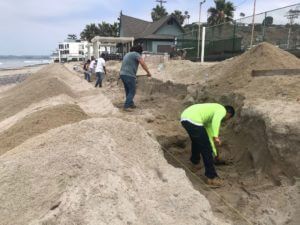
This is a common sequence of building Defencell on eroding coastlines.

1 – The footprint was prepared by digging down a pre-determined number of feet below the existing shoreline prior to constructing the first course of the Defencell product
NOTE:  Some end users choose to line this footprint with a geotextile fabric

prevent coastal erosion

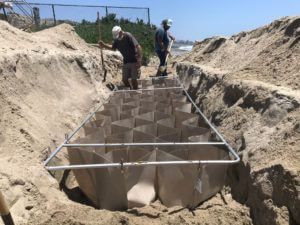
2 – Defencell units are stretched out, aligned as desired and filled with sand or soil
NOTE:  You can see this structure is keyed in by about 3’ should scouring occur

prevent coastal erosion

3 – Subsequent rows are stacked on top of lower rows to achieve desired height
NOTE:  This structure came to a final stack of 3 layers in a ‘stairstep’ configuration


prevent coastal erosion

Defencell is often chosen to stop coastal erosion or mitigate against it because not only is it effective, it is extremely inexpensive compared to most alternative options commonly found in the market or deployed in the coastal environment.

Common forms of hardening a beach to prevent coastal erosion consist of installing large rocks, rip rap, bulkheads, sheet piling, and concrete walls.  These structures are expensive, often difficult to get permitted for building, and leave a hardened beachfront whereas the Defencell product is extremely economical in comparison.  It is easy to build without specialized equipment or knowledge and allows for local fill material and vegitation which leaves a structure that does better at blending into the environment.

Similar to our opinion that there is no single best solution to stop all forms of floodwaters, we believe there is no best solution to stop coastal erosion or to prevent coastal erosion from happening but we do believe in the value of having a fantastic option in Defencell as one of the easiest and most effective metods on the market to stop coastal erosion or at least slow it down.

The lightweight nature of this product, simplicity of construction, and ability to use locally available fill material also make this product one of the easiest solutions to combat coastal erosion in even the most remote and hard to reach places where you may otherwise be forced to barge in rocks or rip rap.  It is environmentally inert, easily cut and modified during construction, and can be tailored to suite the most difficult of installation sites.

If your beach or coastline is eroding or if you are experiencing shoreline erosion of a lake, you appreciate the value of reacting with urgency to stop the problem that will only continue to get worse.  Defencell gives you options to combat coastal erosion in an economical option for both short term and long term applications when doing nothing is simply not an option.

If you are experiencing problems associated with beach erosion, coastal erosion, or other forms of erosion where water meets erosive soils, let us know and we would be happy to discuss options in using Defencell to combat these issues.  Whether you are looking for an immediate solution or are trying to price out any and all options available, the Defencell product is worth evaluating and comparing to options available.

If you are looking for feedback on how to protect your coastline, beaches, or lakefront property from erosion, please feel free to contact us to discuss any options we can provide.  We are happy to deliver a write-up on what we can provide to help you.  This will include detailing suggested materials required, construction time, and maintenance plans as applicable.  In providing feedback, it is always helpful to detail the height and length of protection you are looking to achieve as well as any details of the construction environment.  This can include details on soils you are building on, type of erosion you are experiencing, and any restrictions or special considerations for your work site and we are happy to details optionswe can assist with.  Pictures area always helpful in reviewing your unique situation and how we can help out.

Flood Defense Group believes that global warming is happening, weather systems are getting more violent, and our oceans are rising.  We believe that problems with coastal erosion will only get worse and likely accellerate as sea levels rise, storms become more violent, and greater amounts of moisture fall from the sky.  If you are experiencing problems associated with coastal erosion and resulting land loss, you likely appreciate that doing nothing is simply not an option and only immediate action can begin to resolve this problem.

Therefore, you will continue to find Flood Defense Group on the cutting edge of technology to combat flooding and the effects of erosion resulting from said floodwaters.  Our primary mission is to combat the effects of floodwaters but apart from that, we want to be helpful whenever we can.  We don’t care if you are using our products or not, if you need help or would benefit from an opinion of solutions available as it pertains to erosion control or combating floodwaters, let us know or give us a call anytime.  We will happily discuss any options we can assist with, other options on the market, and even home made or ‘fieldcraft’ options whenever appropriate.

We can be contacted anytime via email or phone and remain available to support you in any way we can.


Flood Defense Group
www.flooddefensegroup.com
1-208-585-1815

By Keith Anderson January 7, 2026
From Washington to California, flood defense operations are currently in full swing as a series of powerful atmospheric rivers continue to impact the western United States. These weather systems are bringing prolonged, heavy rainfall that is leading to widespread flooding across coastal regions, river valleys, and mountain communities. While many flood defense efforts are led by state, county, and municipal agencies, homeowners can also take important steps to reduce the risk of floodwater entering their homes. Understanding how floodwater behaves—and which flood barriers perform well under extreme conditions—is critical. What Is a Flood Barrier? A flood barrier is a temporary or permanent structure designed to prevent floodwater from entering homes, buildings, or neighborhoods. Temporary flood barriers come in a variety of designs, including soil-filled containers, water-filled tubes, and metal or aluminum panels. Other flood barrier designs use air-filled tubes or water-activated flotation devices. Homeowners may also use DIY flood protection methods such as raised planter boxes, earthen berms, or sandbags to help prevent water from reaching their homes. Not all flood barriers perform the same, especially during severe flooding involving fast-moving water, debris, and erosion. What’s Driving the Current Flooding in Washington and California? Atmospheric Rivers and Saturated Ground Atmospheric rivers carry massive amounts of moisture from the Pacific Ocean. In recent storms, much of this precipitation has fallen as rain rather than snow, quickly saturating the ground from coastal areas through the Sierra Nevada and Cascade mountain ranges. Once the ground becomes saturated, additional rainfall rapidly runs downhill, overwhelming rivers, streams, and drainage systems. Flooding develops quickly. In some areas, levees have failed, while in others, tributaries have filled with debris. These conditions leave very little time for homeowners to respond. Why This Flooding Is Especially Dangerous? Limited Time to Respond Many homeowners do not realize the scale of flooding until water levels are already rising. By the time flooding becomes apparent, it is often too late to develop an effective plan to defend their property. Floodwaters Exceed Standard Barrier Heights Most common residential flood barriers are designed to protect against 3 to 4 feet of water or less. Current flooding in parts of Washington, California, and Oregon has exceeded these levels, rendering many barriers ineffective due to overtopping. While taller flood barrier options exist, increased height requires greater cost, planning, and deployment time. Many homeowners who flooded did not anticipate five feet of water inside their homes and were therefore unprepared to defend against it. Fast-Moving Water With Heavy Debris Floodwater filled with trees, rocks, soil, and debris is significantly more destructive than slow-moving water. This debris-laden water behaves more like wet concrete, exerting tremendous force that is difficult to resist. When debris strikes flood barriers head-on, floating objects can act like battering rams, quickly overwhelming systems not designed for impact resistance. Erosion Undermining Flood Defenses Fast-moving water erodes soil beneath and around flood barriers. This erosion can cause levees and barriers to fail even if water levels do not overtop them. Homes built on erosive soils are particularly vulnerable when flood barriers lose their ground support. Always anticipate potential for erosion during a flood event. Burn Scar Flooding Wildfires in Washington, Oregon, and California have left large burn scar areas where vegetation no longer stabilizes soil. During heavy rain, these areas experience extreme runoff, sending debris, mud, and rocks into waterways—dramatically increasing flood damage potential downstream. Flood Barriers That Can Be Ineffective in This Flood Environment
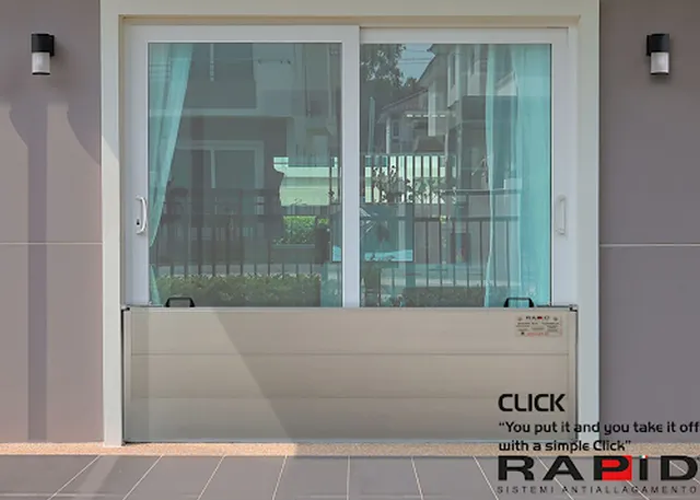
Flood Barriers for Sliding Doors
By M M December 10, 2025
Discover effective flood protection solutions for your home. Learn about barriers, drainage, elevation, and tips to keep your property safe from water damage.
Before Choosing Protection Against Rising Water
By M M December 6, 2025
Learn key factors before selecting flood protection for your home. Compare options, costs, and effectiveness to stay safe from rising water.
Modern Flood Barriers
By M M December 1, 2025
Explore why modern flood barriers offer fast, reliable protection for homes. Learn about their design, setup speed, and effectiveness against sudden flooding.
By M M August 5, 2025
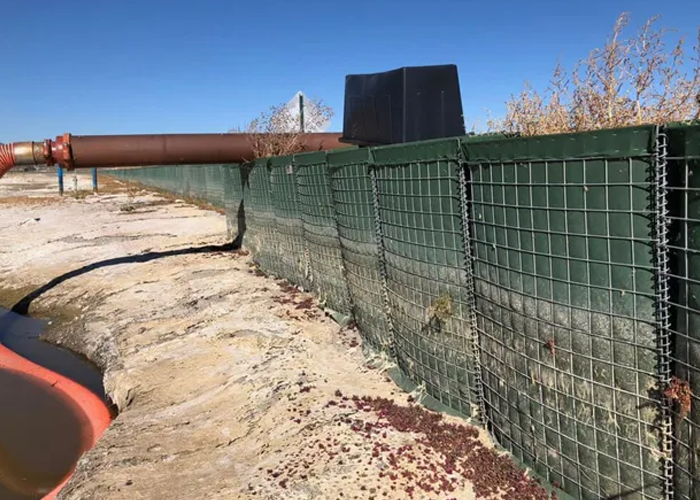
Flood Defense for Oil & Gas Facilities Flooding near the Mississippi River is a growing concern for many industries, especially oil and gas facilities in Louisiana. These critical operations require long-term protection and a reliable structure that can hold back the force of river water. This is where our team stepped in. We chose HESCO Bastion as the best option for this project. It delivers strong and lasting protection while also adapting to the complex layout of the site. The goal was to build an 8-foot-high floodwall that could remain in place for years with little upkeep. It also had to surround active pipework and tie securely into a sloped earthen berm. Our experience with HESCO made this possible. This product stacks easily, resists erosion, and stands up to the pressure of high river levels. It’s one of the most cost-effective flood protection systems available today for both industrial and residential areas. Custom Solutions with HESCO Bastion We enjoy working with HESCO Bastion because it allows for creative builds. For this site, we needed to wrap the barrier around several exposed pipes and make it flow seamlessly into a grassy berm. Traditional floodwalls can’t always handle this level of detail. The key was in modifying the units during construction. HESCO Bastion's wire mesh design made it easy to adjust each section. We started by placing the units on each side of the pipe network. Then, we built a frame using mesh strips to form a strong seal around the pipes. After sealing the gaps with coil wires, we lined the section with geotextile and filled it with compacted sand. In this case, water was used to help pack the sand tight. Finally, we added spray foam around the pipe entry points to prevent seepage. These steps created a clean and secure connection, even with multiple pipes in place. Building Barriers Around Pipes Most barriers aren’t designed to go around fixed objects like piping. But in real-world settings, that’s often the challenge. That’s why we rely on HESCO Bastion. It offers a rare balance of strength and flexibility. To secure the pipes, we connected the modified wire mesh across the front and back of the barrier. Vertical mesh gave us structure, while horizontal pieces held the form tight. Once filled, the unit created a reliable seal that locked into place. We also included a spray foam layer around the piping. While not always required, spray foam is a smart way to reduce risk in high-pressure zones. It helps block small openings that might otherwise go unnoticed and helps build redundancy into the design. Tying Floodwalls to Natural Embankments One of the final challenges was tying the flood barrier into the existing berm. The embankment was covered in grass and even had layers of seashells, making it naturally resistant to erosion. We wanted to preserve this, so we avoided digging into it. Instead, we chose to modify the HESCO Bastion unit. We disassembled it and rebuilt it in place to match the slope. This allowed the barrier to visually and physically blend into the berm. By working with the natural shape rather than cutting into it, we maintained the berm’s stability and protected against long-term erosion. We added buttress cells for support where the floodwall met the embankment. These small attachments give the wall added strength without changing the core structure. They’re quick to install and make the system more secure during major flood events. The Bottom Line This project is a clear example of how adaptable flood protection systems can be when handled correctly. At Flood Defense Group, we tailor each solution to the site’s needs. We work with proven products like HESCO Bastion that are flexible, strong, and ideal for long-term flood control. Whether the job requires protecting oil and gas plants or flood barriers for residential areas , we bring the same level of care to every installation. Our team understands how to design barriers around complex infrastructure, tie into natural features, and reinforce systems for lasting strength.  We believe in flood defense that’s practical, proven, and built to last. Our success in Louisiana is just one example of how the right product combined with the right technique makes all the difference. FAQs
By Keith Anderson August 5, 2024
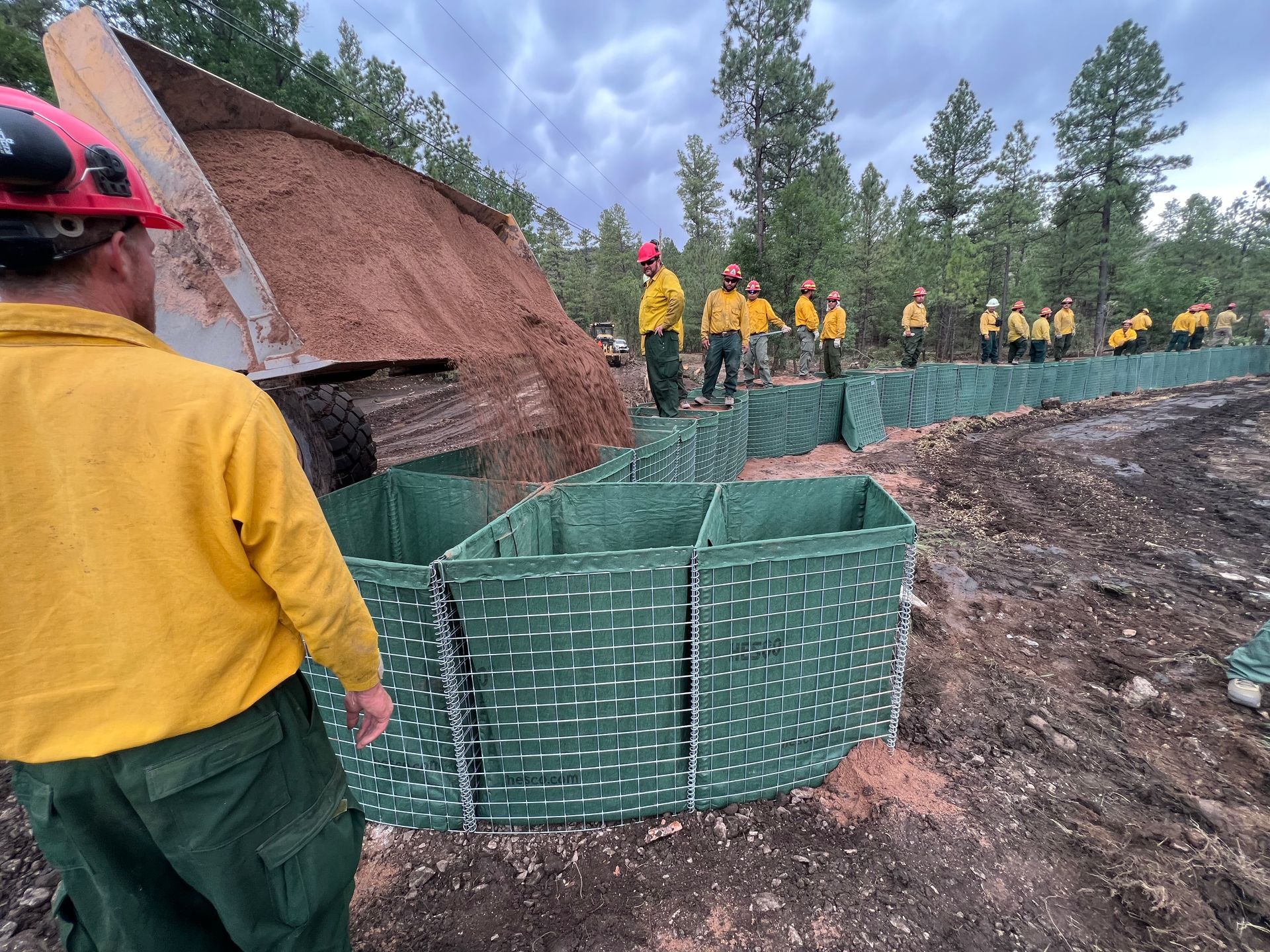
The Double Disaster of Wildfires and Subsequent Flooding
Boxwall Flood barriers
By Keith Anderson February 15, 2024
Introduction:
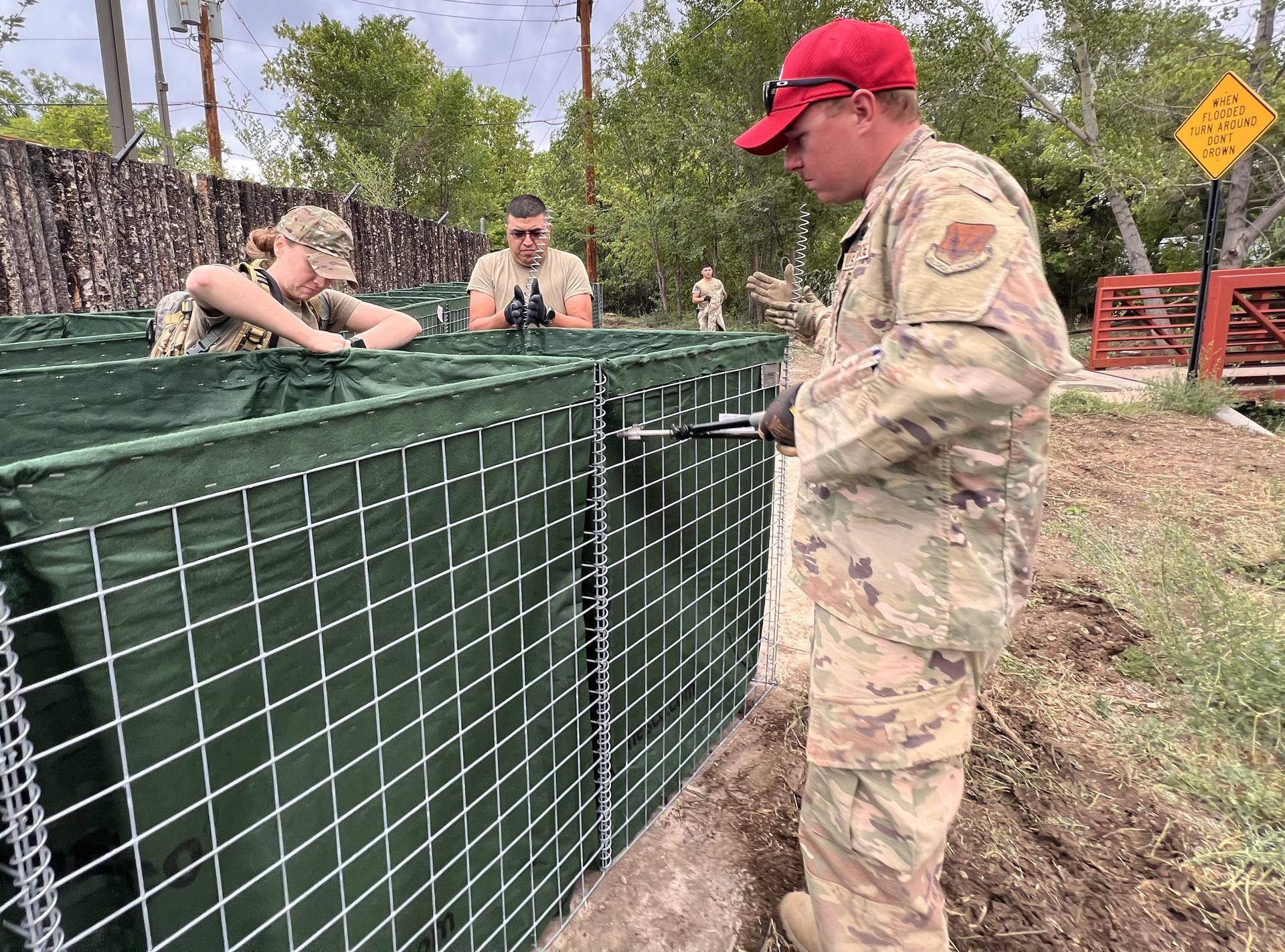
Hesco Modification
By Keith Anderson December 5, 2023
Let's modify the HESCO barriers with the flood defence group and keep ourselves safe from the harms of flooding.
By FDG June 7, 2023
The post Flood Defense Group Protects Oil & Gas Facilities in Louisiana from Mississippi River Flooding And Modifications to a HESCO Bastion Floodwall appeared first on Flood Defense Group.