By Keith Anderson
•
January 7, 2026
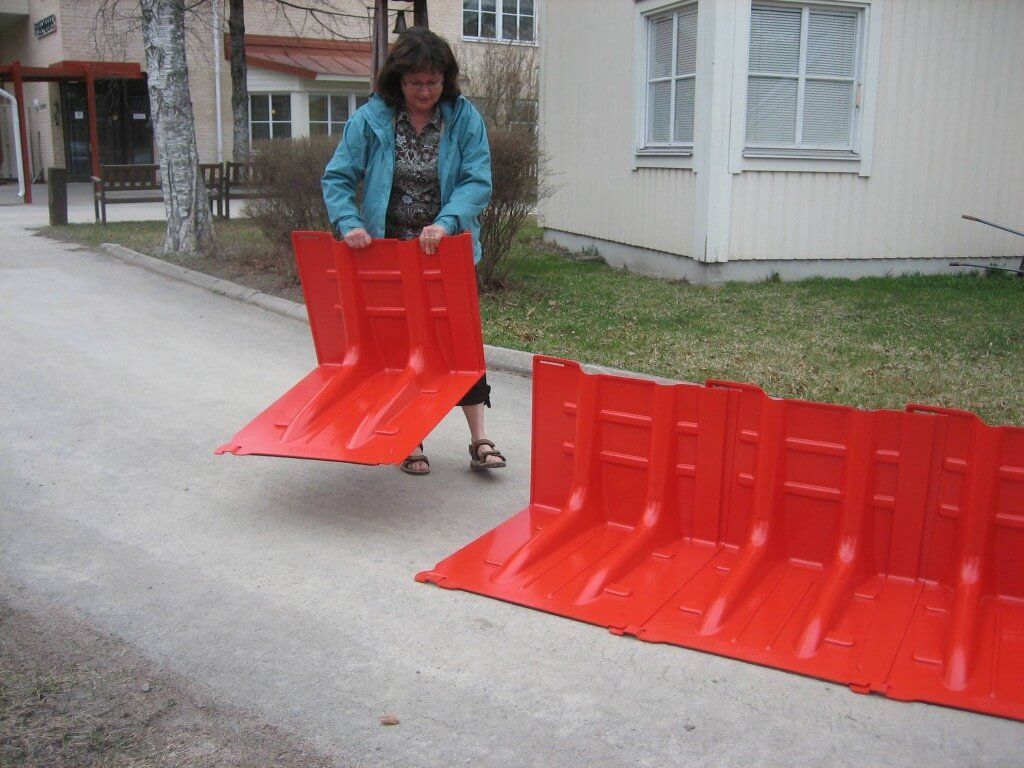
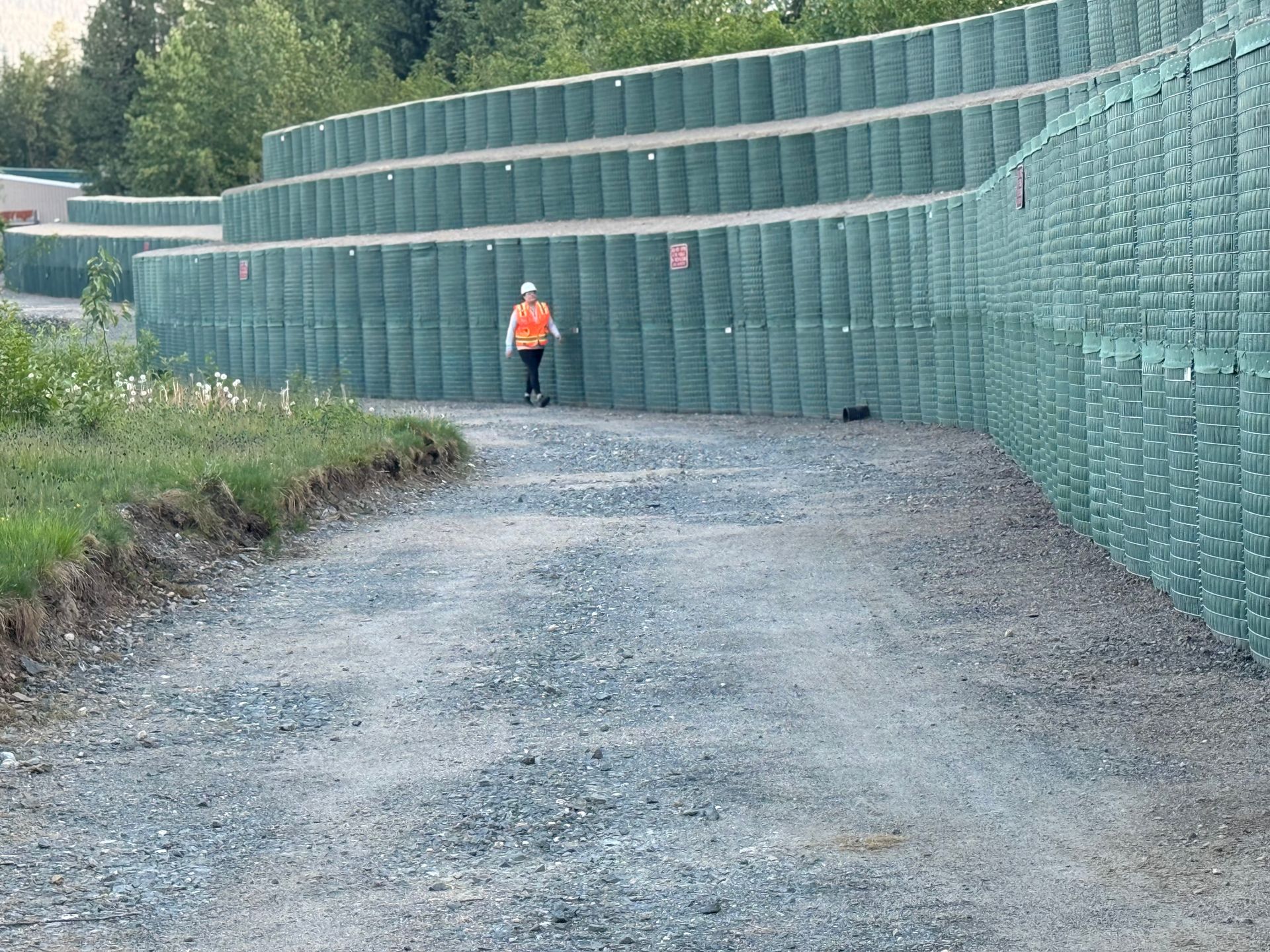
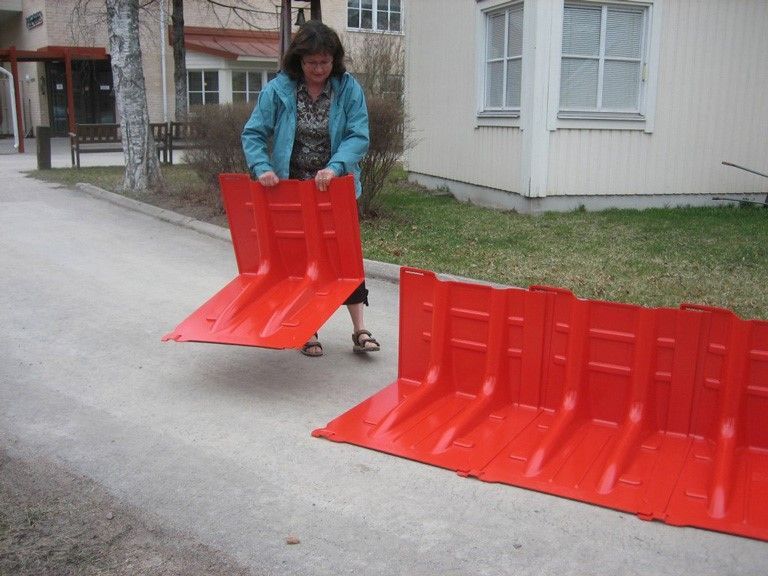
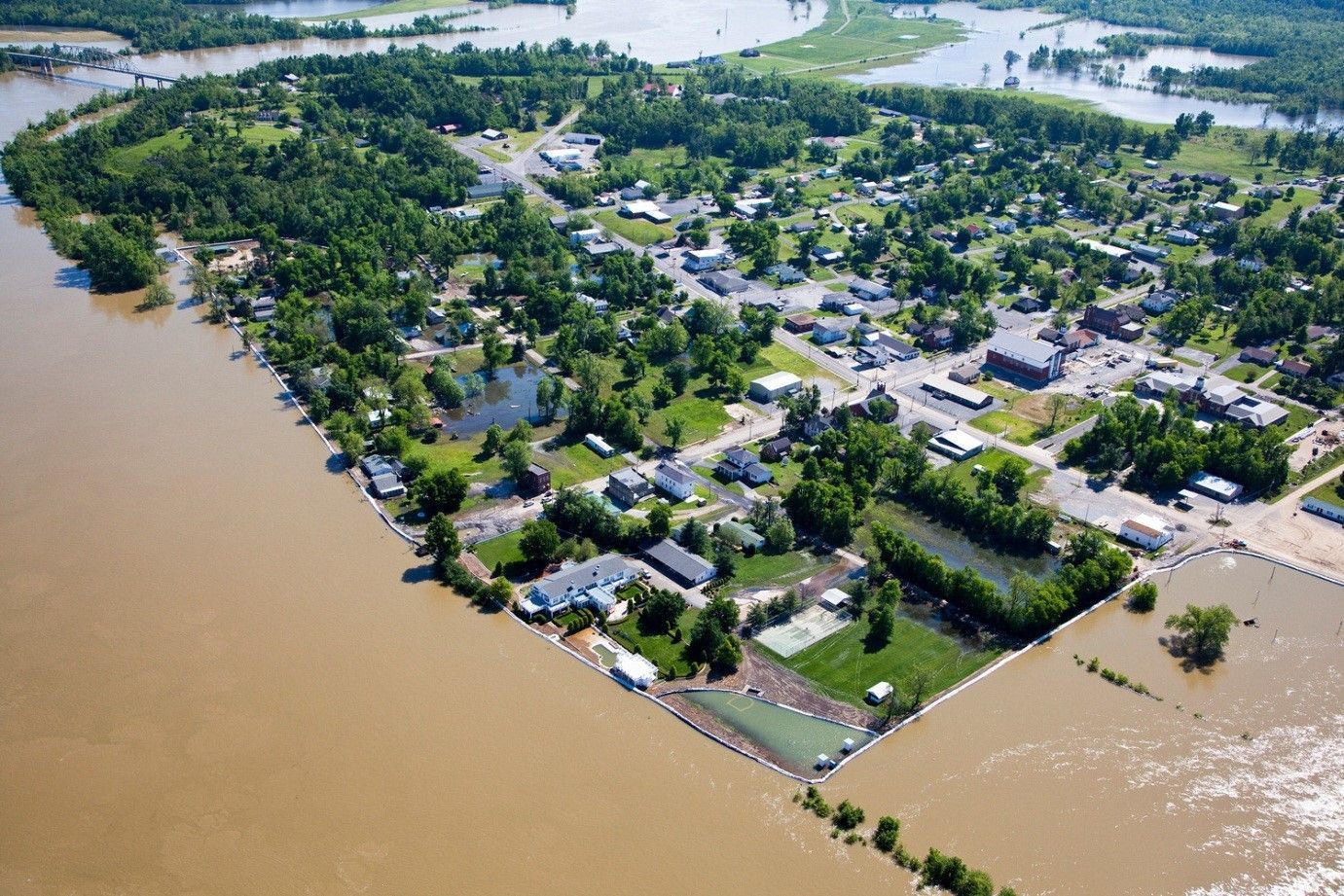
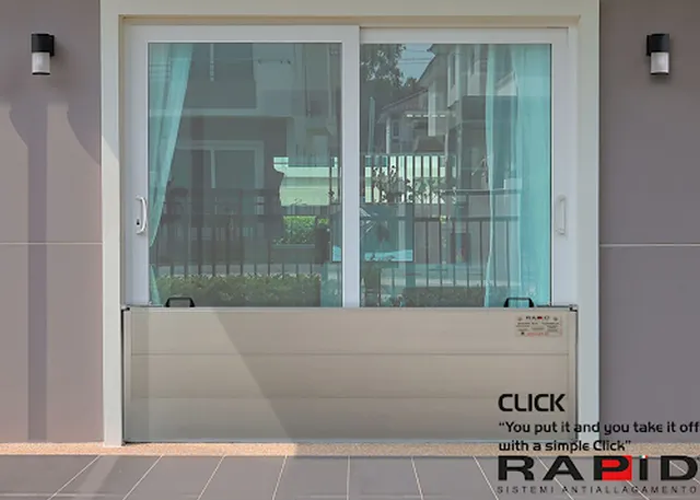
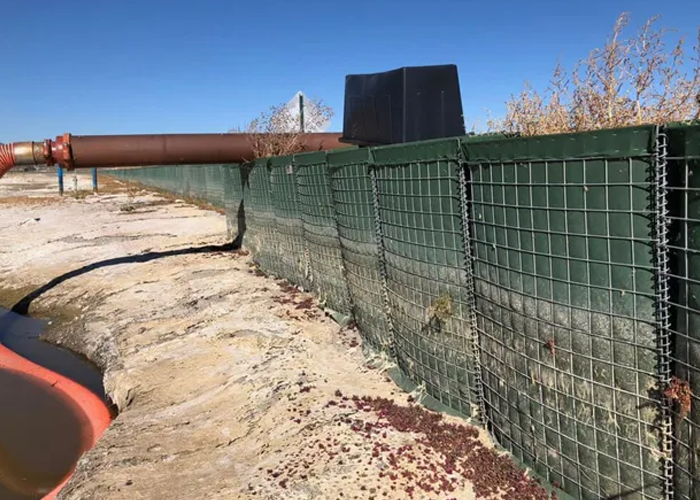
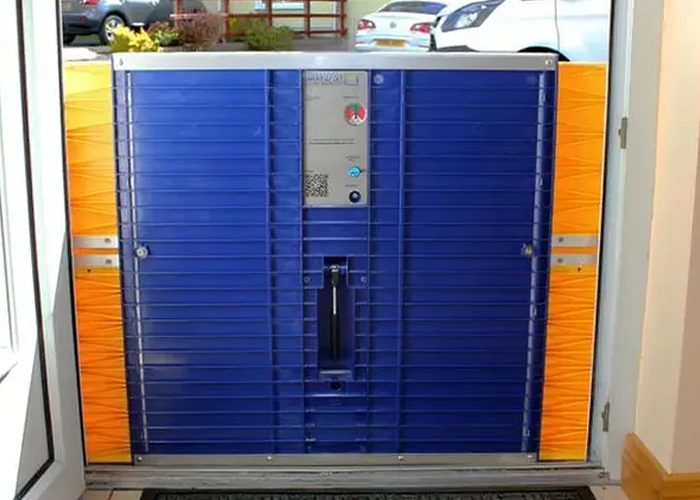
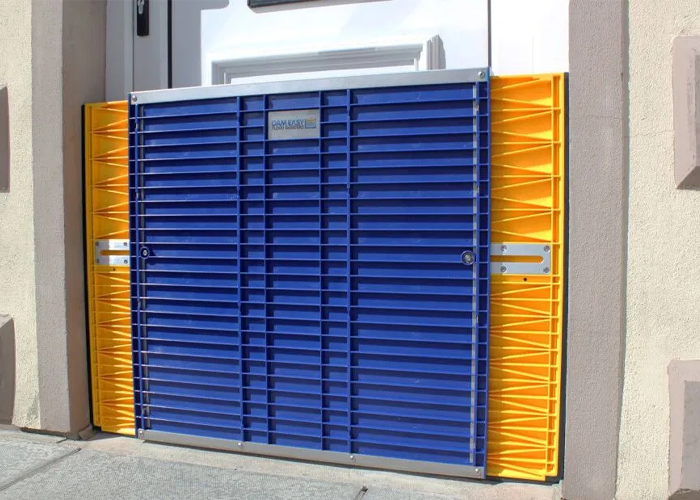
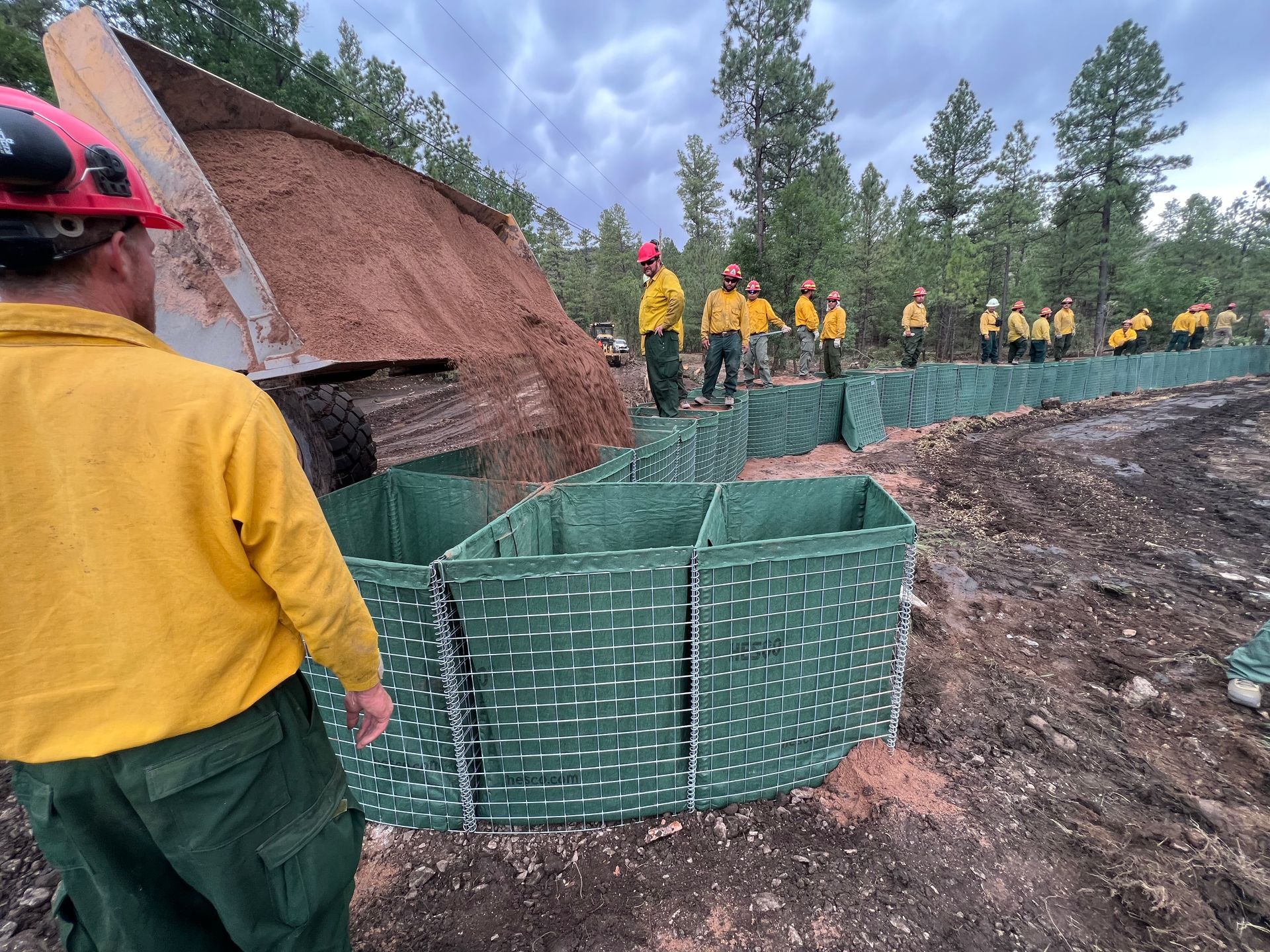
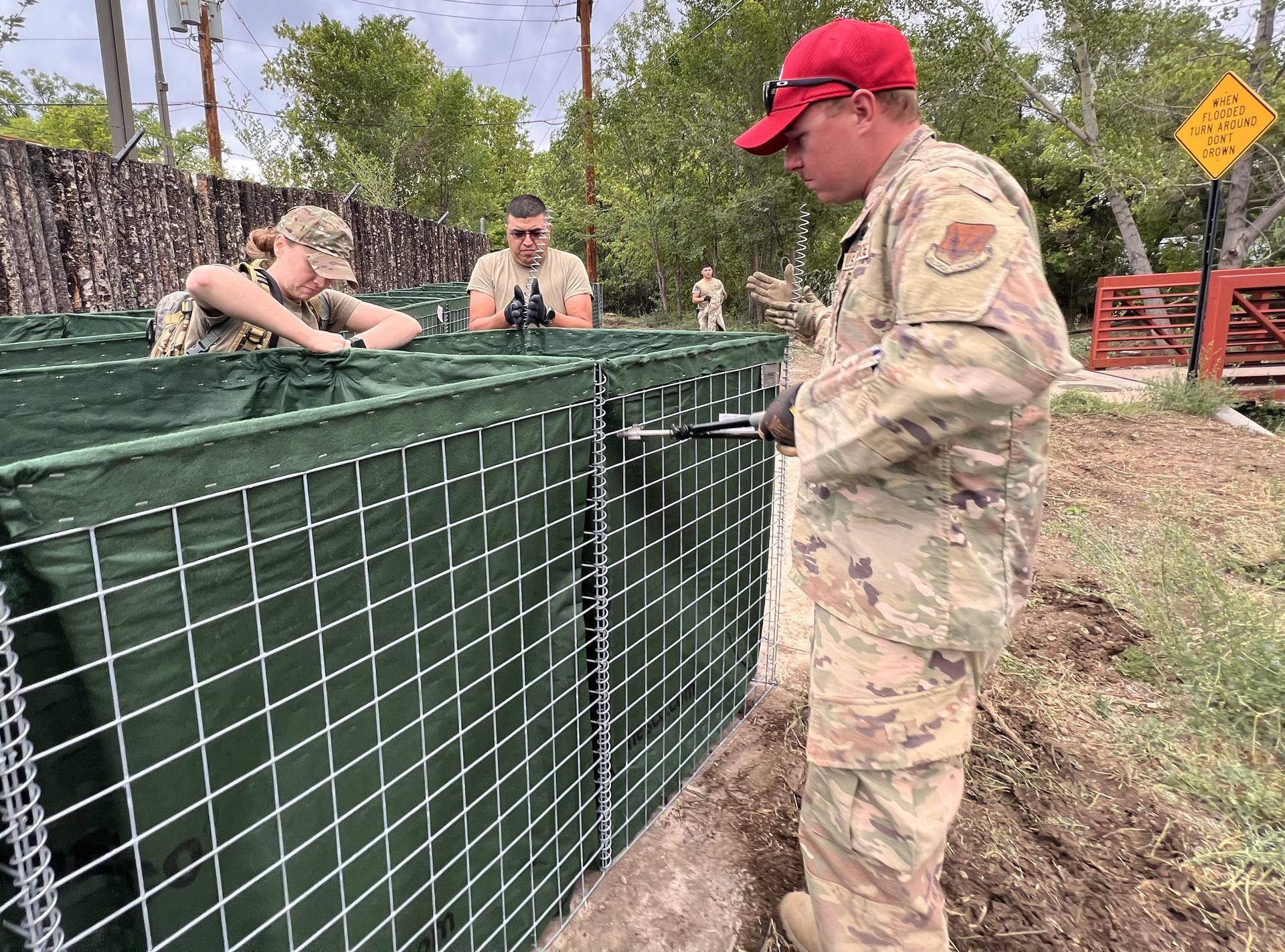
From Washington to California, flood defense operations are currently in full swing as a series of powerful atmospheric rivers continue to impact the western United States. These weather systems are bringing prolonged, heavy rainfall that is leading to widespread flooding across coastal regions, river valleys, and mountain communities. While many flood defense efforts are led by state, county, and municipal agencies, homeowners can also take important steps to reduce the risk of floodwater entering their homes. Understanding how floodwater behaves—and which flood barriers perform well under extreme conditions—is critical. What Is a Flood Barrier? A flood barrier is a temporary or permanent structure designed to prevent floodwater from entering homes, buildings, or neighborhoods. Temporary flood barriers come in a variety of designs, including soil-filled containers, water-filled tubes, and metal or aluminum panels. Other flood barrier designs use air-filled tubes or water-activated flotation devices. Homeowners may also use DIY flood protection methods such as raised planter boxes, earthen berms, or sandbags to help prevent water from reaching their homes. Not all flood barriers perform the same, especially during severe flooding involving fast-moving water, debris, and erosion. What’s Driving the Current Flooding in Washington and California? Atmospheric Rivers and Saturated Ground Atmospheric rivers carry massive amounts of moisture from the Pacific Ocean. In recent storms, much of this precipitation has fallen as rain rather than snow, quickly saturating the ground from coastal areas through the Sierra Nevada and Cascade mountain ranges. Once the ground becomes saturated, additional rainfall rapidly runs downhill, overwhelming rivers, streams, and drainage systems. Flooding develops quickly. In some areas, levees have failed, while in others, tributaries have filled with debris. These conditions leave very little time for homeowners to respond. Why This Flooding Is Especially Dangerous? Limited Time to Respond Many homeowners do not realize the scale of flooding until water levels are already rising. By the time flooding becomes apparent, it is often too late to develop an effective plan to defend their property. Floodwaters Exceed Standard Barrier Heights Most common residential flood barriers are designed to protect against 3 to 4 feet of water or less. Current flooding in parts of Washington, California, and Oregon has exceeded these levels, rendering many barriers ineffective due to overtopping. While taller flood barrier options exist, increased height requires greater cost, planning, and deployment time. Many homeowners who flooded did not anticipate five feet of water inside their homes and were therefore unprepared to defend against it. Fast-Moving Water With Heavy Debris Floodwater filled with trees, rocks, soil, and debris is significantly more destructive than slow-moving water. This debris-laden water behaves more like wet concrete, exerting tremendous force that is difficult to resist. When debris strikes flood barriers head-on, floating objects can act like battering rams, quickly overwhelming systems not designed for impact resistance. Erosion Undermining Flood Defenses Fast-moving water erodes soil beneath and around flood barriers. This erosion can cause levees and barriers to fail even if water levels do not overtop them. Homes built on erosive soils are particularly vulnerable when flood barriers lose their ground support. Always anticipate potential for erosion during a flood event. Burn Scar Flooding Wildfires in Washington, Oregon, and California have left large burn scar areas where vegetation no longer stabilizes soil. During heavy rain, these areas experience extreme runoff, sending debris, mud, and rocks into waterways—dramatically increasing flood damage potential downstream. Flood Barriers That Can Be Ineffective in This Flood Environment